 01
01The Scent of a Gruža Field
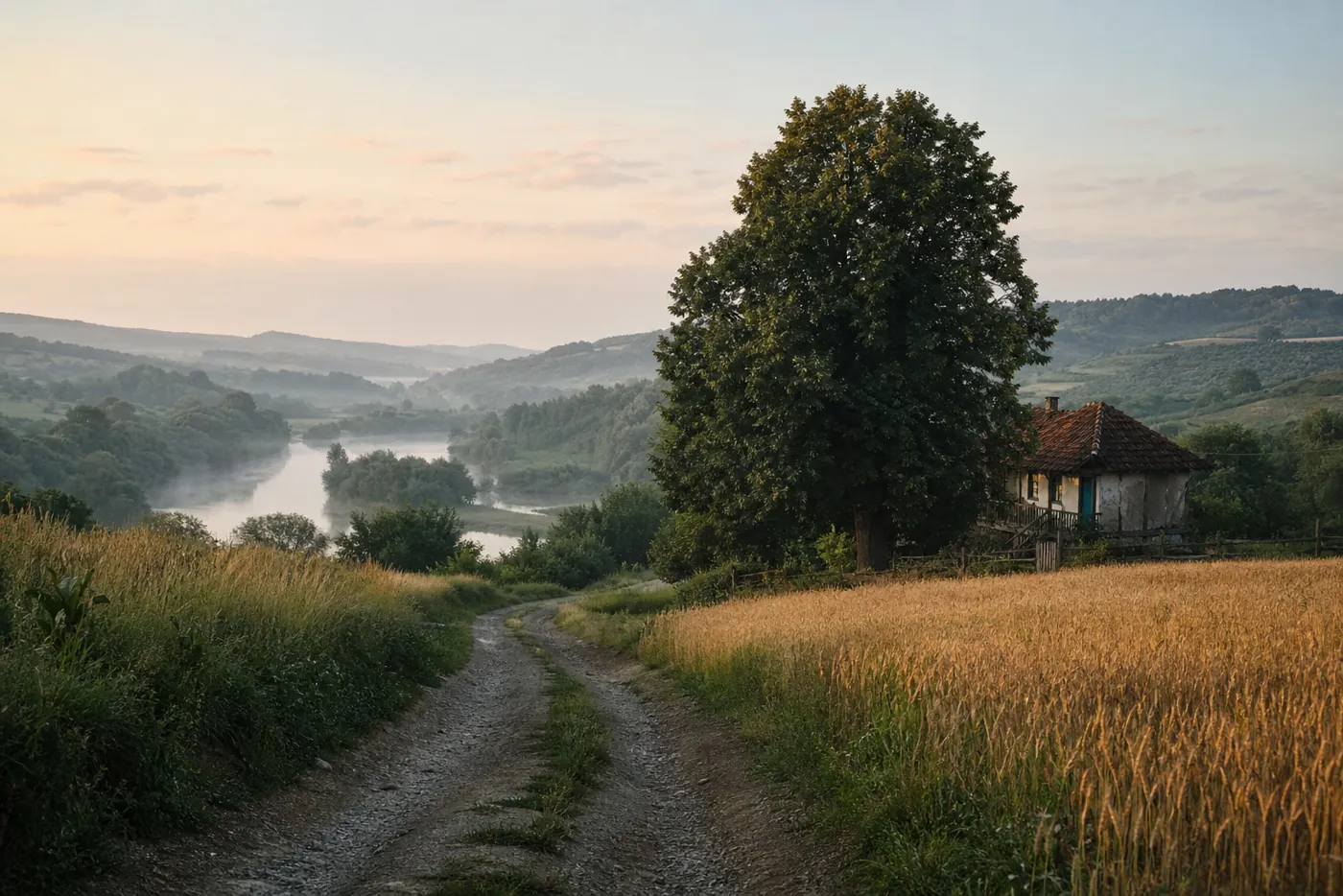
Homeland, village, nature, and a land that remembers the footsteps of its ancestors.
 A Voice That Remains
Ljubomir R. Janković · 1971–2018
A digital memorial collection devoted to the life, voice, and complete surviving poetry of Ljubomir Janković.
...so they may know well that I too am a man, torn apart by life and scattered through the world... that I am strong as stone, yet frail within my soul as any anonymous poet.Open the Poetry Collection
Six Paths Through the Collection
The poems are arranged around motifs that return throughout Ljubomir's verse. Each title opens the complete text.
01Homeland, village, nature, and a land that remembers the footsteps of its ancestors.
 02
02Love, longing, intimacy, and a face that remains within a dream.
 03
03Faith, transience, eternity, and the soul in conversation with heaven.
 04
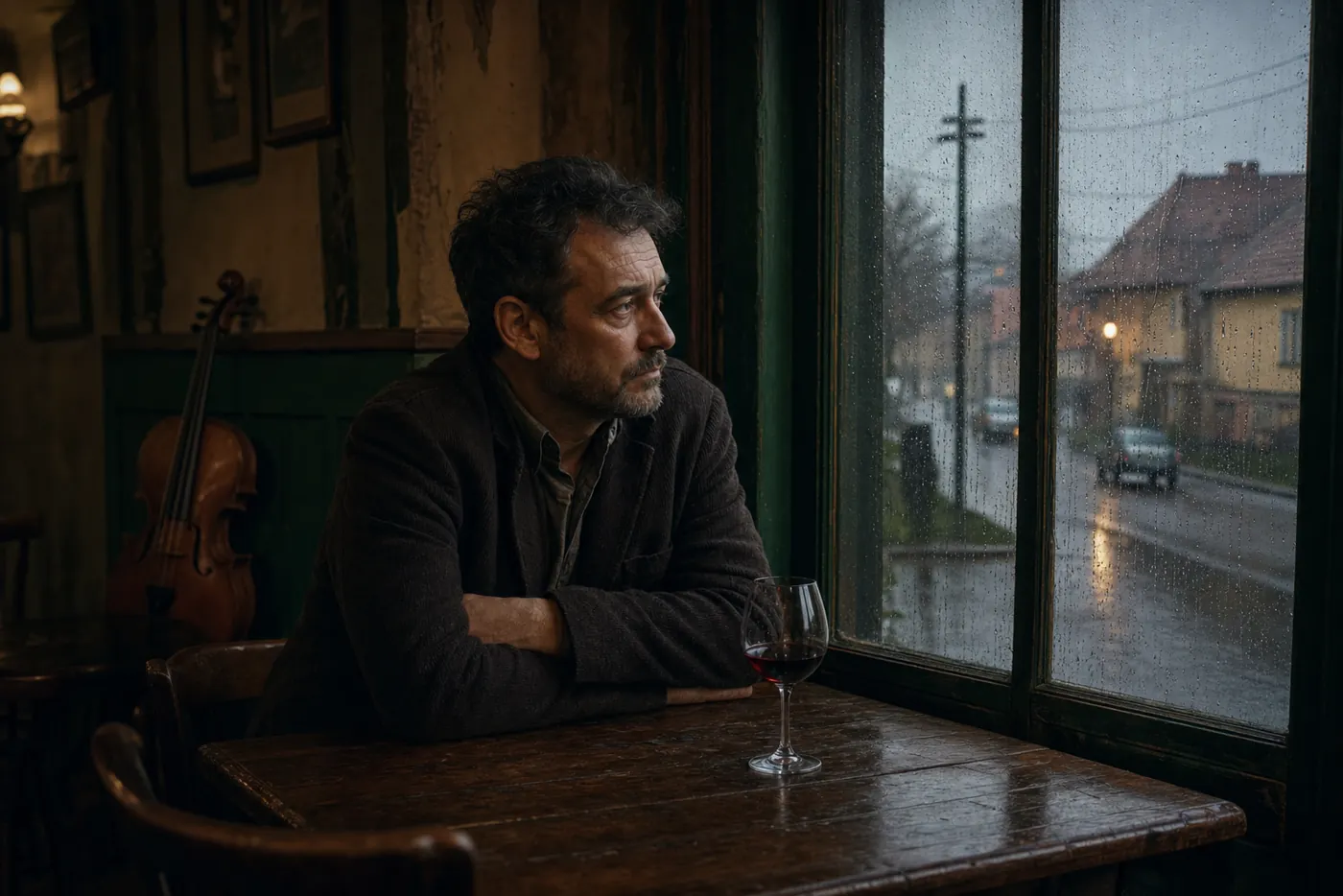
04Humanity, bohemian unrest, suffering, and the truth of everyday life.
 05
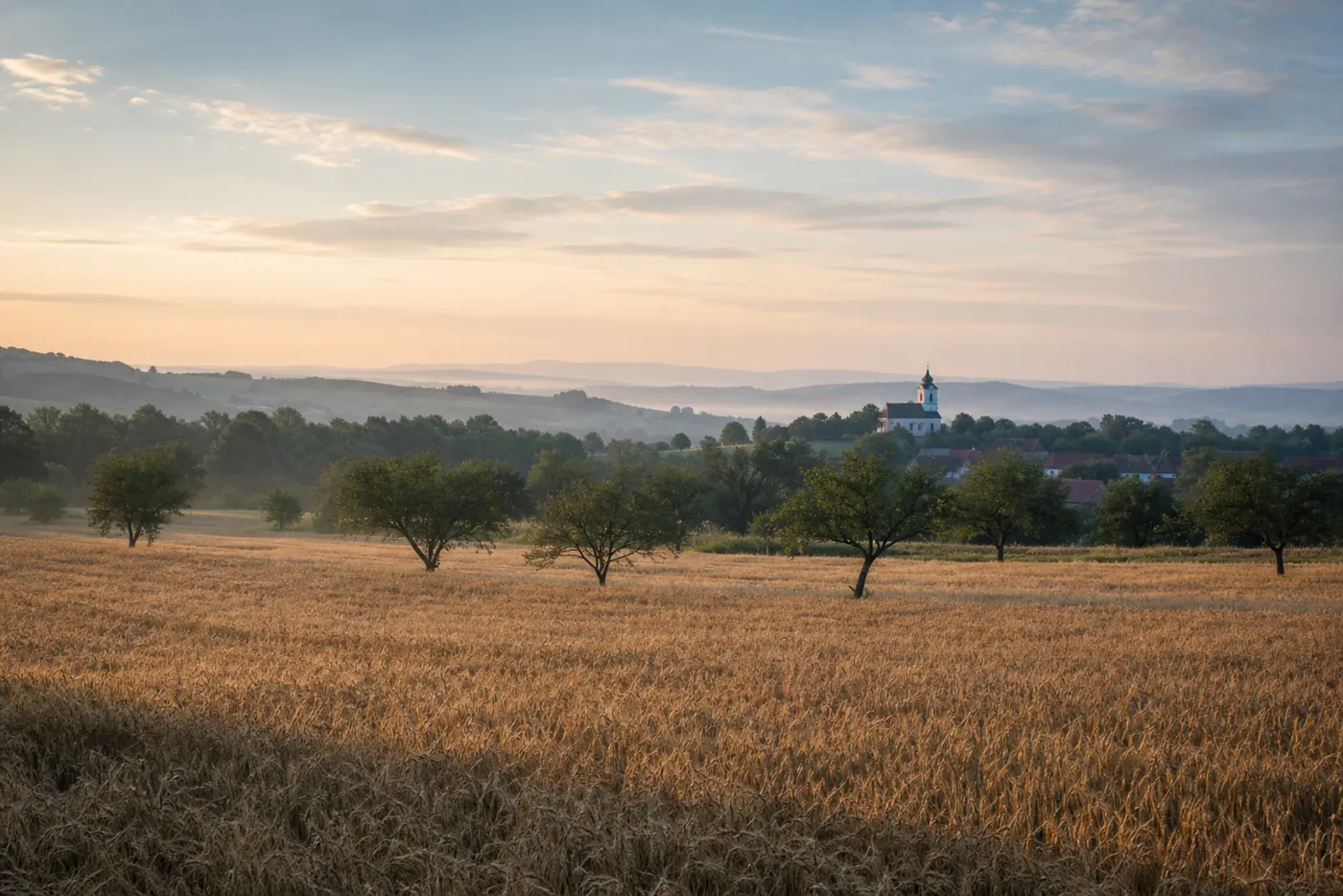
05Serbia, her descendants, the memory of a people, and a land steeped in history.
 06
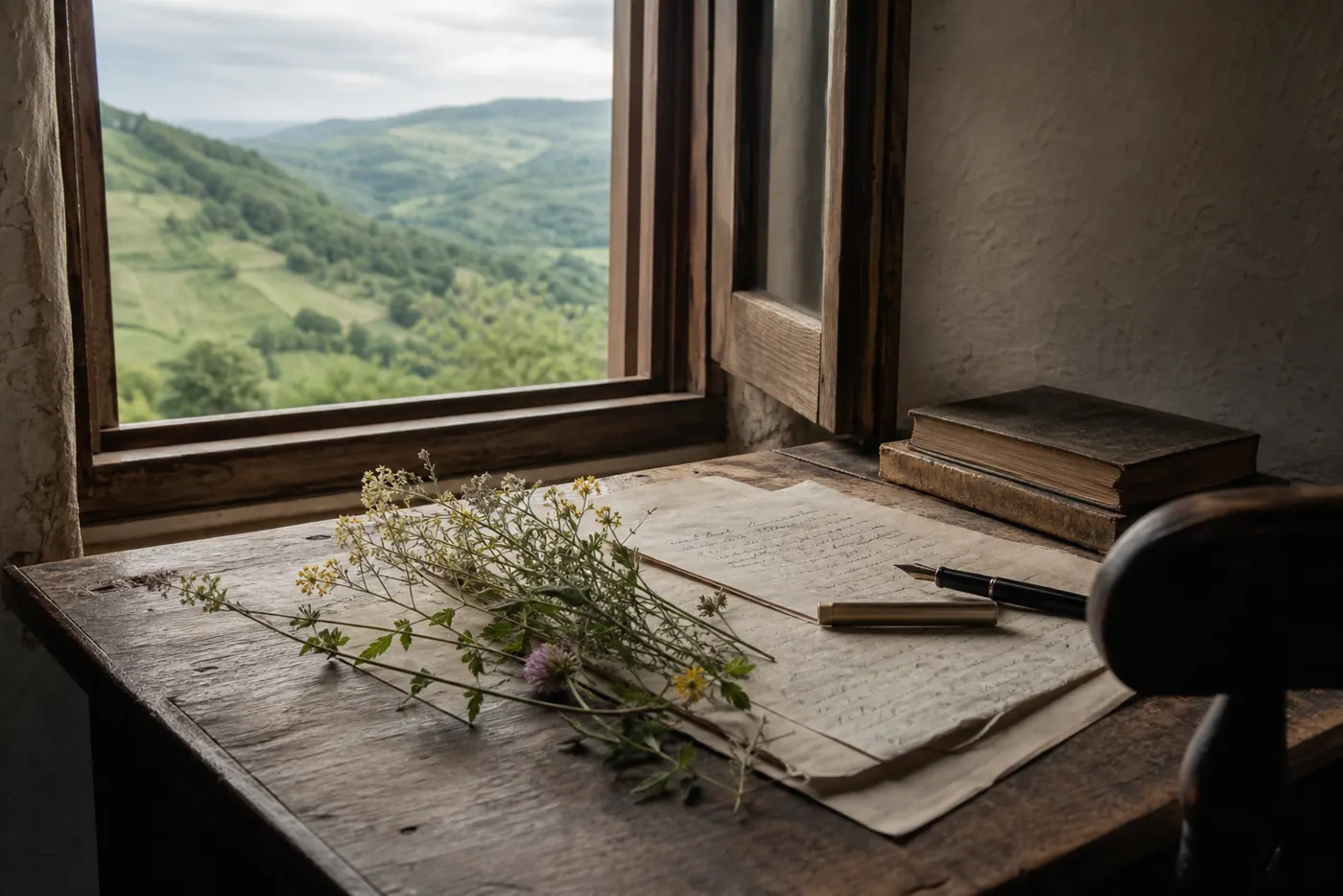
06The poet, the verse, the Muses, and the voices of Gruža that endure through time.
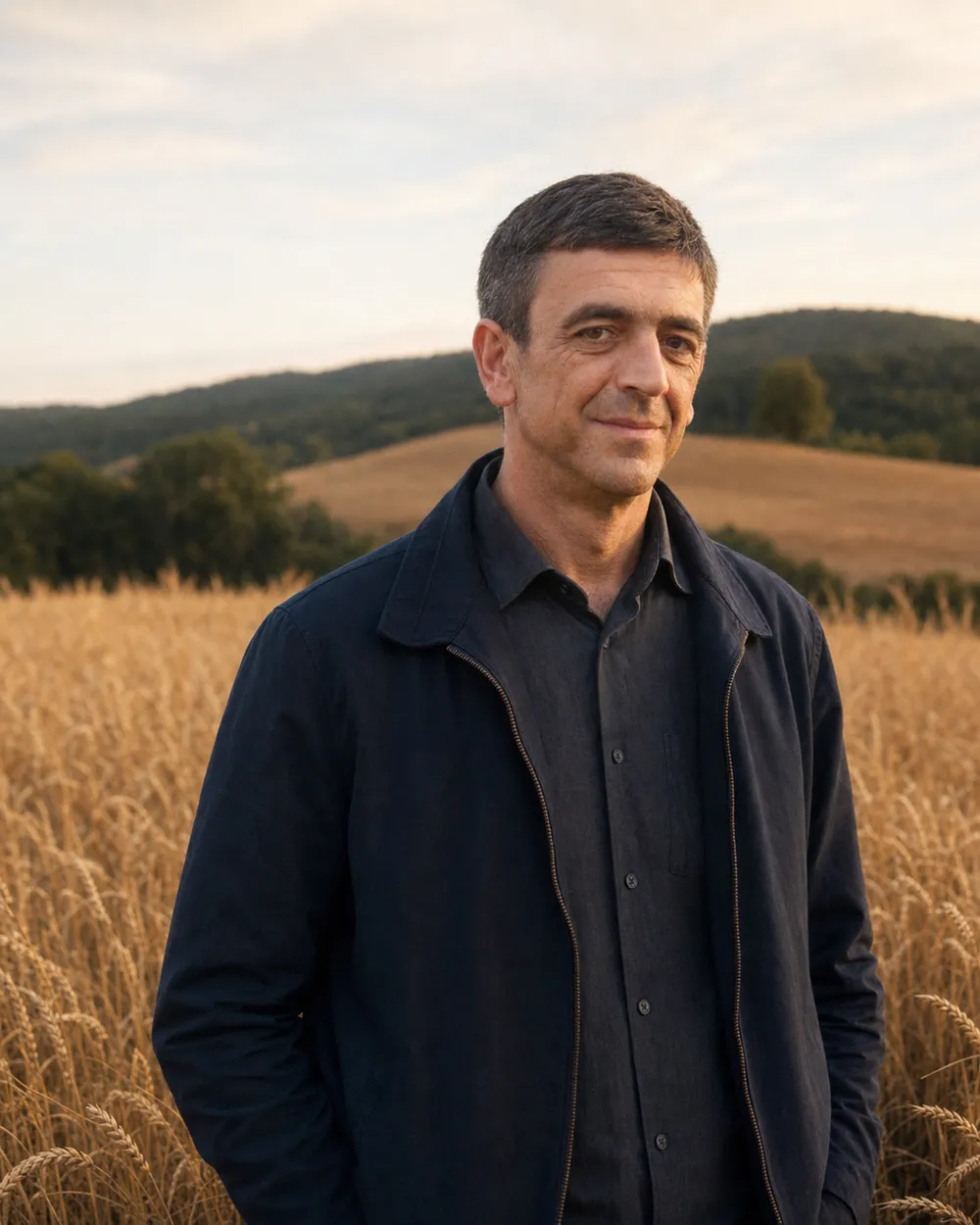
In Ljubomir's poetry, the homeland is a land that remembers, a field that speaks, and a place where labour, love, and poetry meet.
Complete Textual Archive
The Scent of a Gruža Field, p. 4
Ljubomir Janković
the village of Toponica
The archive currently contains 76 separate poetic records. It comprises 63 titles from the book The Scent of a Gruža Field, three short independent texts printed on pages 15 and 18, two additional poems from the family archive, and eight preserved variants.
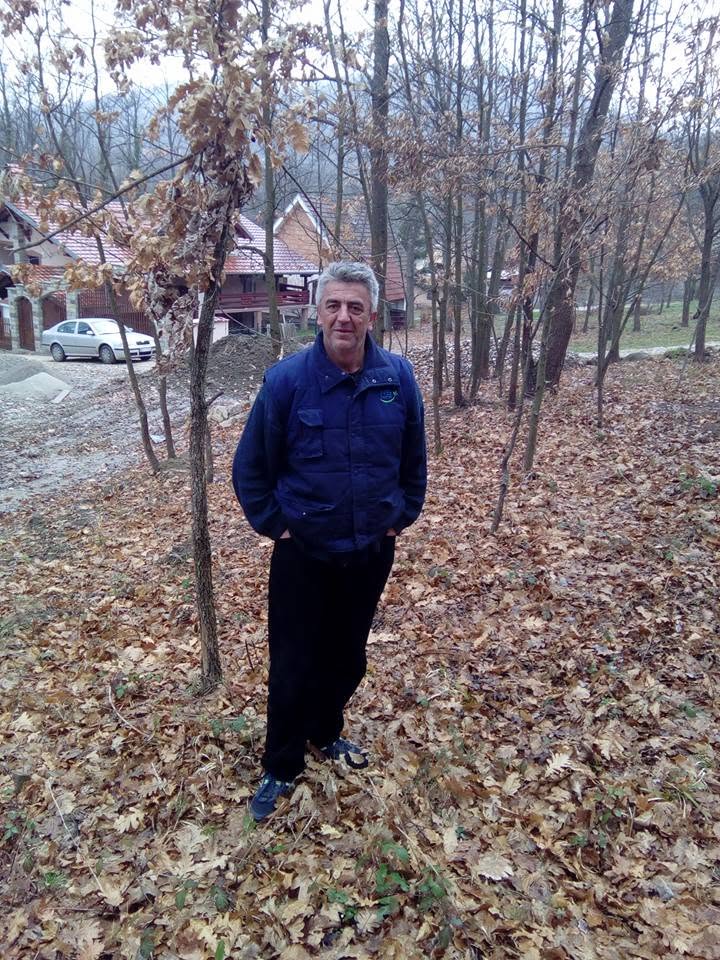
Life and Homeland
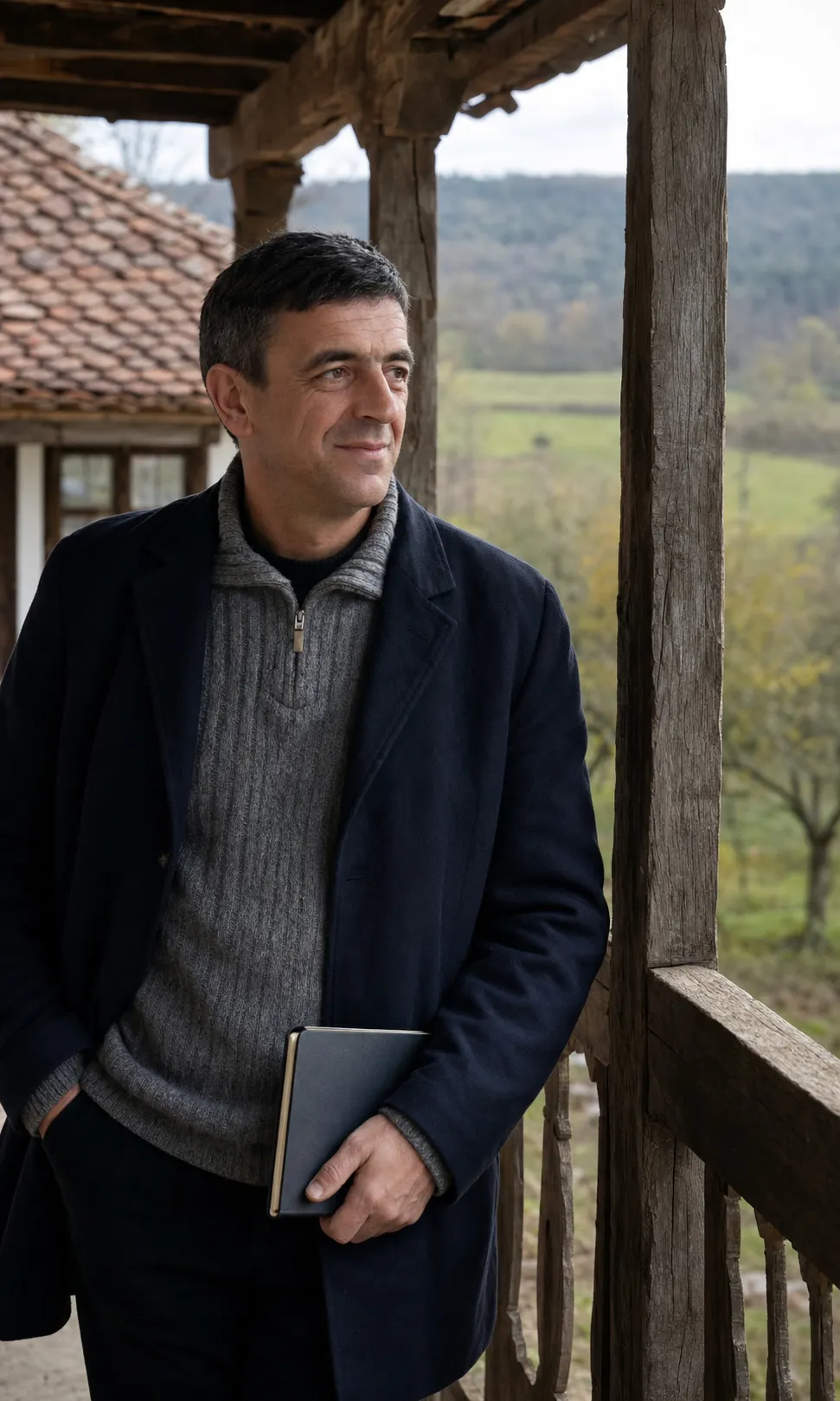
Ljubomir Janković was born on 30 December 1971 in Toponica, in the municipality of Knić. He was the son of Radisav and Leposava Janković. His paternal grandparents were Živojin and Milunka Janković.
He completed primary school in Toponica and attended the Mechanical and Traffic School in Knić. He worked for the Knić Municipal Administration at the Toponica Local Office as an administrative officer and civil registrar. He possessed a deep knowledge of the history of Upper Gruža.
His work as a civil registrar placed him at the heart of life in Toponica. Official registers brought him close to the destinies of its residents, while his poems preserved the homes, fields, customs, and voices of a village that changed before his eyes.
His poetry grew from Gruža, rural life, family memory, faith, and reverence for his forebears. Nature has a voice in his verse, while the homeland remembers across generations.
He was among the founders of the Živadin Stevanović Literary Club in Knić and served as its secretary from its founding until his death. He was a close friend of Dobrica Erić and other poets and artists. A category at the Petrovdan Poetry Meetings bears his name and honours the finest poem about one's native region.
The poems Terpsichore and The Wedding received awards at the Gruža Poetry Meetings in 2000 and 2001. His poetry appeared in the journals Lipa, Koraci, and Savindan, and in the literary newspaper Svitak. His work was included in the anthologies Gružanska šarenica, Srce što u srcu bije, and Vila sa Boračkog krša.
He died on 2 October 2018 after a long and serious illness. He was survived by his son Matija, his mother Leposava, his sister Mirjana, and his wife Vesna.
Work, Literature, and Legacy
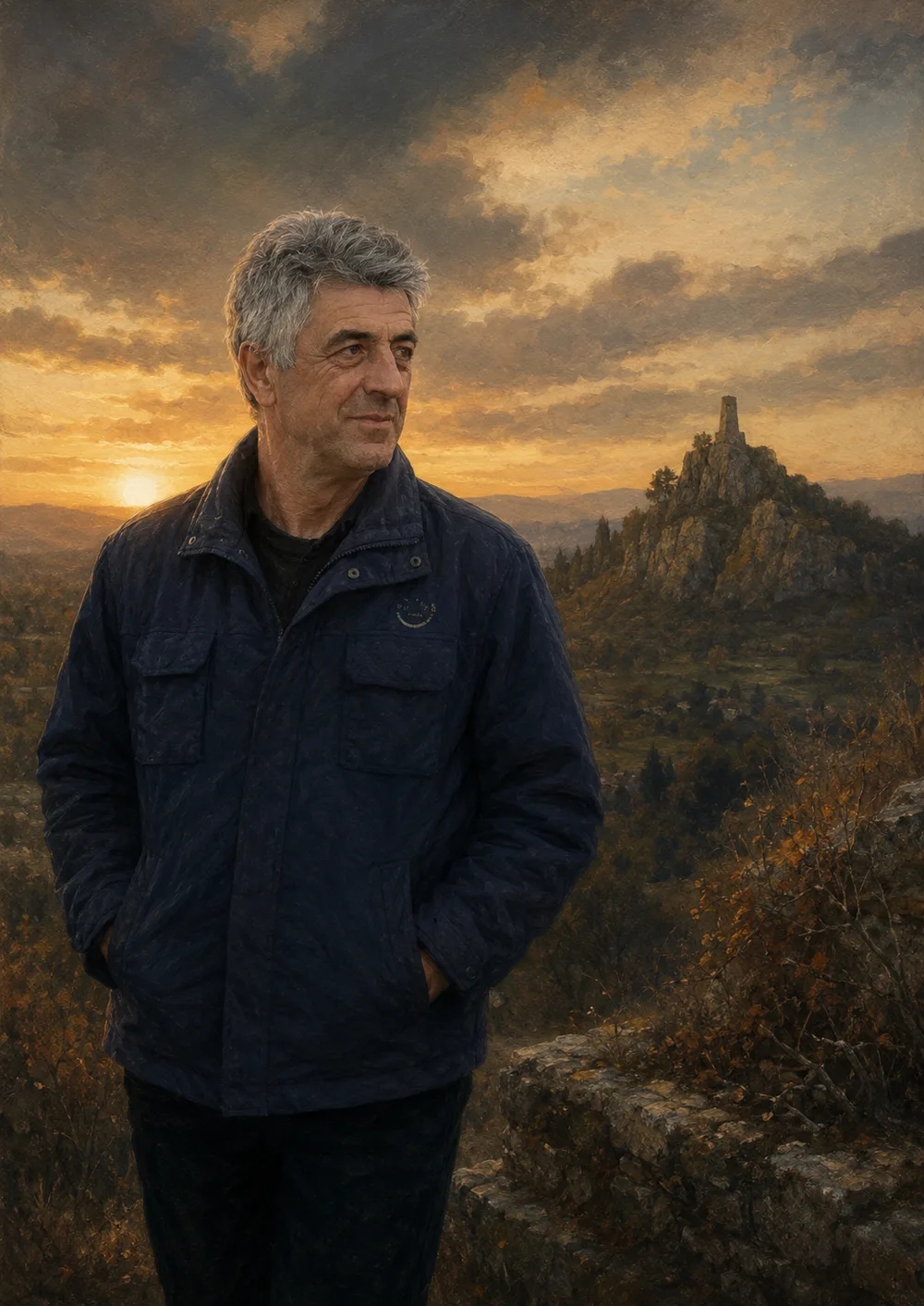
At the Petrovdan Poetry Meetings in Borač, an award bearing Ljubomir's name honours the finest poem about one's native region.
Ljubomir worked as an administrative officer and civil registrar at the Toponica Local Office and knew the history of Upper Gruža intimately. Official registers gave him a direct view into village life, while poetry gave that experience an enduring human voice.
Open source ↗The Petrovdan Poetry Meetings include a competitive category named Ljubomir Janković. Its award honours the finest poem about one's native region.
Open source ↗Ljubomir Janković was among the founders of the Živadin Stevanović Literary Club in Knić and served as its secretary from the club's founding until his death.
Source: The Scent of a Gruža Field, About the Poet, pp. 71–72.
The Scent of a Gruža Field was published in 2019 as Ljubomir's first independent and posthumous book. The 83-page edition was issued in 170 copies by Svitak of Požega and the Centre for Culture and Library in Knić.
Sources: The Scent of a Gruža Field and the publishing records of the Centre for Culture and Library in Knić.
Terpsichore and The Wedding received first and third prizes at the Gruža Poetry Meetings in 2000 and 2001. Ljubomir also won an award for a ceremonial toast at the Assembly of All-Serbian Folk Creativity in Banja Vrućica near Teslić.
Source: The Scent of a Gruža Field, About the Poet, pp. 71–72.
His poems appeared in the Kragujevac journals Lipa and Koraci, the Prijepolje journal Savindan, and the Požega literary newspaper Svitak. His work was included in the anthologies Gružanska šarenica, Srce što u srcu bije, and Vila sa Boračkog krša.
Source: The Scent of a Gruža Field, About the Poet, pp. 71–72.
Marija Kostić reads the collection as an inner portrait of the poet, composed of personal dilemmas, existential questions, and the preoccupations of human existence. Her interpretation follows nature and its beauty, Gruža and its people, patriotic and social poetry, and the poet's vision of woman and her beauty.
At the centre of this world stand love, sensuality, God, the universe, the Moon, wind, grain, and the conflict between body and mind. Mornings and evenings acquire human qualities, while the lyrical voice speaks with fields, trees, sky, and clouds. The Moon becomes a link between earthly life and the universe.
Kostić finds an affinity with Dis in their subjective vision, reflective character, and images of death, rebirth, purity, and light. She recognises the influence of Dobrica Erić in Ljubomir's vivid imagery, frequent figures of speech, and his sense of Gruža as origin, refuge, and final homecoming. She gives particular attention to the bond between the peasant who creates bread and the grain, soil, and natural world.
Most poems are shaped as quatrains with alternating or enclosed rhyme, alongside several sonnets and intentional departures from regular rhythm. The poet's language combines neologisms, archaisms, folk expressions, epithets, comparisons, rhetorical questions, apostrophe, and personification. Kostić regards the relationship between the lyrical voice, woman, and beauty as one of the most original aspects of Janković's poetry.
Ljubomir Janković's poetry is a clear reflection of his personality, his dilemmas, existential questions, and the preoccupations of one human existence.
Marija Kostić, p. 73
Ljubomir Janković's poetry breathes with love for the Gruža region and its natural beauty.
Marija Kostić, p. 74
Janković's universe differs from Dis's cosmogony, yet the experience of birth in tears and a renewed encounter with purity after the instant of death reveal a clear affinity between the subjective vision and reflective thought of these two poets.
Marija Kostić, p. 75
Another poet who certainly influenced Janković was Dobrica Erić, with whom Ljubomir Janković spent many hours in conversation and in philosophical discussions between two men of Gruža.
Marija Kostić, p. 75
Overview and selected passages from Marija Kostić's essay in The Scent of a Gruža Field, pp. 73–76.
Marko Marković begins with the poet as a timeless, transcendent being and recognises the poet of Gruža as a distinctive kind of creator. In Ljubomir's verse he hears the murmur of Gruža's waves and the whisper of willows and poplars along her banks.
For Marković, this poetry arises from an immediate love for the native landscape, its fields, plum orchards, and women. The beauty of folk speech and the strength of the soil connect Ljubomir with Vuk Karadžić and the poetic tradition of Gruža.
Marković finds prayerful hope, the White Angel, and the power of goodness in these poems. He also sees the poet's capacity to love with strength and sorrow, with the vigour of a peasant and the tenderness of a nobleman. In this portrait, Ljubomir is both poet and farmer, a compelling interpreter of his own verse and a man devoted to his native land.
The closing passage preserves the memory of a conversation in which Ljubomir doubted that he would ever hold his own book. For Marković, the published collection became evidence of the enduring beauty of Gruža and of a poetic voice that continued to live after its author.
The poet has always been a timeless and transcendent being, illuminated by the divine enchantment of beauty and knowledge.
Marko Marković, p. 77
When I first encountered the verse of Ljubomir Ljupče Janković, I immediately recognised within it the melodious murmur of Gruža's waves and the whisper of willows and poplars along her banks.
Marko Marković, p. 77
He sensed the power of goodness and sang to the White Angel with prayerful hope as he strove toward the heights of heaven.
Marko Marković, p. 77
Ljupče could be many things: a poet, a passionate and extraordinary interpreter of his own verse, and, in the next instant, a blue-blooded farmer of Gruža.
Marko Marković, p. 78
Overview and selected passages from Marko Marković's essay in The Scent of a Gruža Field, pp. 77–78.
Preserved from Ljubomir's Page
Ljubomir posted poems, dedications, and memories on his Facebook page. Surviving posts from January, February, and March 2017 confirm poems preserved in this archive.
He posted two surviving versions of the poem dedicated to the White Angel. Each version has its own place in the poetry archive.
Read the poem ↓This love poem appeared on his page in the version also preserved in the family archive.
Read the poem ↓On the anniversary of his father's death, he shared verses dedicated to Radisav Janković. The poem appeared in the book under the title O Graveyards.
Read the poem ↓The posts preserve Ljubomir's way of addressing his readers and the moments when poems were first shared among friends.
Visit the memorialised Facebook page ↗Television recording · September 2001
Two surviving excerpts from the programme Šumadijski prag preserve the voices of Ljubomir and Blagoje Janković, his grandfather. They bring together poetic testimony, family memory, village history, and the living speech of Toponica.
A Poem Heard Aloud
Ljupče recited his poems with his whole being. His voice, bearing, rhythm, and sudden surges of feeling turned a verse into a direct encounter with the audience. Marko Marković recognised this force when he called Ljubomir an extraordinary interpreter of his own poetry.
At the Toponica Local Office, Ljubomir recorded village life in official registers. In poetry, he gave that same village memory, scent, colour, and voice. His public service and poetic calling became a single chronicle of the people and the land to which he belonged.
Our late grandfather, Blagoje Janković, published the book Toponica in Šumadija in 1999 after years spent collecting family, historical, economic, and ethnographic material. Ljupče continued that family devotion to Toponica through verse. Today, both voices express the same desire to preserve the memory of their homeland.
The surviving television excerpt restores one of the essential dimensions of Ljubomir's poetry. We hear how a poem arose during work, how it remained in memory, and how it was spoken before another person.
Nebojša LukovićLjubomir's brother
Ljupče could be many things: a poet, a passionate and extraordinary interpreter of his own verse, and, in the next instant, a blue-blooded farmer of Gruža.
Marko Marković, Poetry with the Power of Goodness
Ljubomir describes how verses came to him while he worked in the fields of Gruža, then recites the poem The Life of a Peasant.
Blagoje Janković, grandfather of Ljubomir and Nebojša, speaks about the years he spent collecting material for Toponica in Šumadija and the archives in which he researched the village's history.
Brotherhood and Friendship
Nebojša Luković is Ljubomir's first cousin. An only child, he regarded Ljubomir as his own brother and closest friend. Since childhood they had called each other Bju.
Although they had different interests and lived in different places, they always understood one another, remained close, and treasured the time they spent together. Nebojša dedicated this site to his brother, his poems, and the memory preserved by family and friends.
Nebojša Luković
Marko S. Marković
The leaves had yet to fall from the hills of Gruža. They had withstood the early autumn frosts so their rustling might greet Ljupče one final time.
No one loved Gruža and her swift waters more than Ljubomir Janković of Toponica in Gruža. In these troubled times, no one proved more worthy of the renowned forebears of this region.
Known for his honesty, directness, clarity, and resonant voice, Ljubo won people over through his presence and speech. Born in a metropolis, he might have become a major artist or a statesman of the highest order. His own Gruža and Toponica meant more to him than fame or applause. His poems revealed how deeply his tender poetic soul could love and give to others without seeking any reward.
When I first heard him recite Terpsichore in a tavern in Toponica, I fell silent in wonder and admiration. His bearing, freedom, and strength reminded me of Karađorđe; the power and clarity of his voice recalled Danilo Lazović.
Several years later, I asked whether he wished to gather his verse into a book. Ljupče declined. He wrote poems for poetry and beauty alone.
In these days, earthly Gruža lost one of her finest standard-bearers. Heavenly Gruža rejoices in his arrival. There, upon her celestial banks, he raises a glass to the people of Grivac, Oplanić, and Toponica. Dragiša Vitošević and Živadin Stevanović come to meet him, eager to hear Terpsichore from the poet himself.
Ljupče, brother of Gruža, may the earth rest lightly upon you.
Marko S. Marković
Posthumous Edition
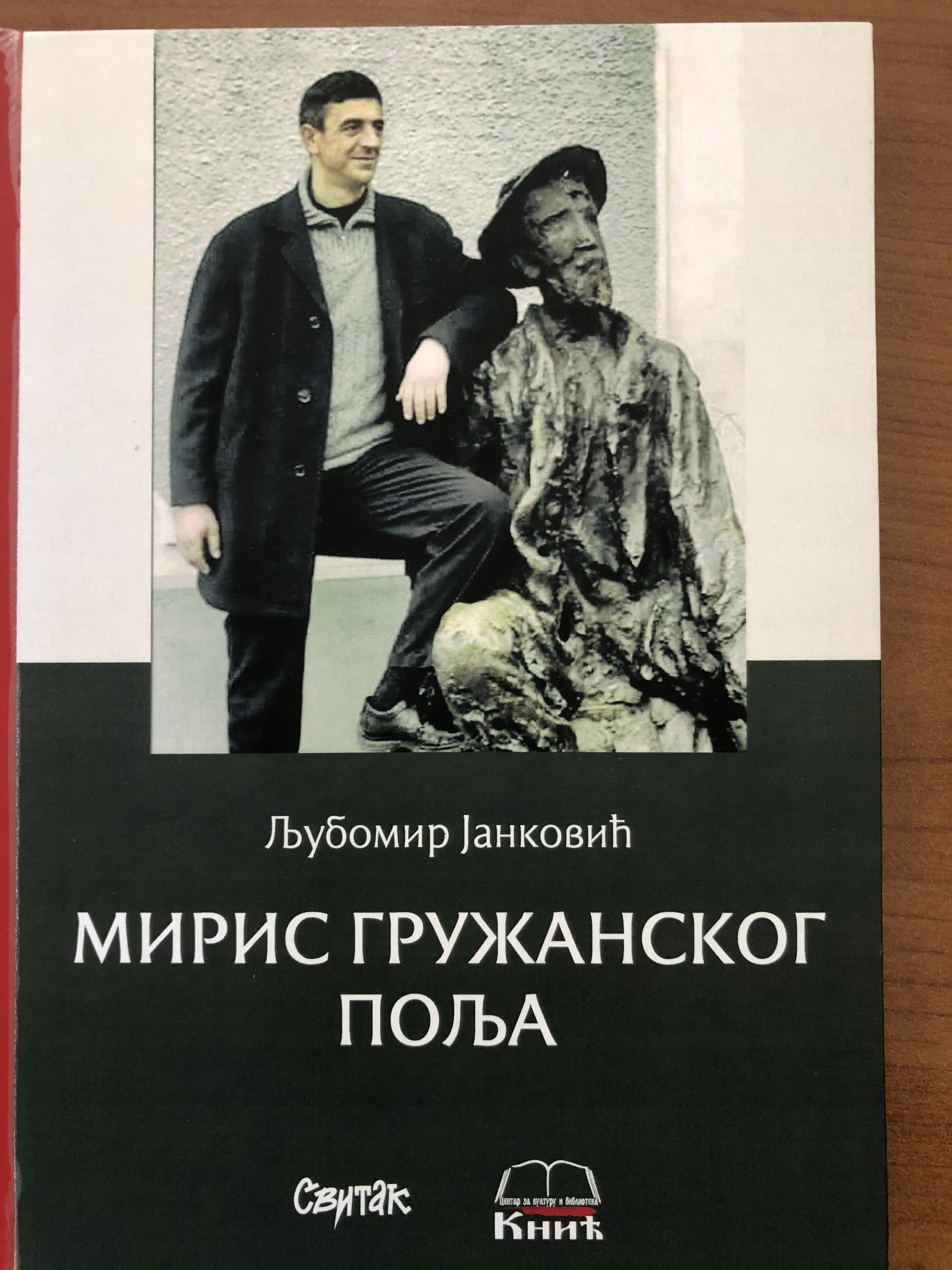
The collection The Scent of a Gruža Field was published in 2019 by the Svitak publishing workshop of the Razvigor Literary Society in Požega and the Centre for Culture and Library in Knić. Work on gathering the poems began in March 2019; editing and proofreading concluded in July. The book contains 63 poetic titles, while its acknowledgements note that surviving material may support a future expanded edition.
Write to Us
If you have a question, memory, or information about Ljubomir and his work, please send a message through this form.